
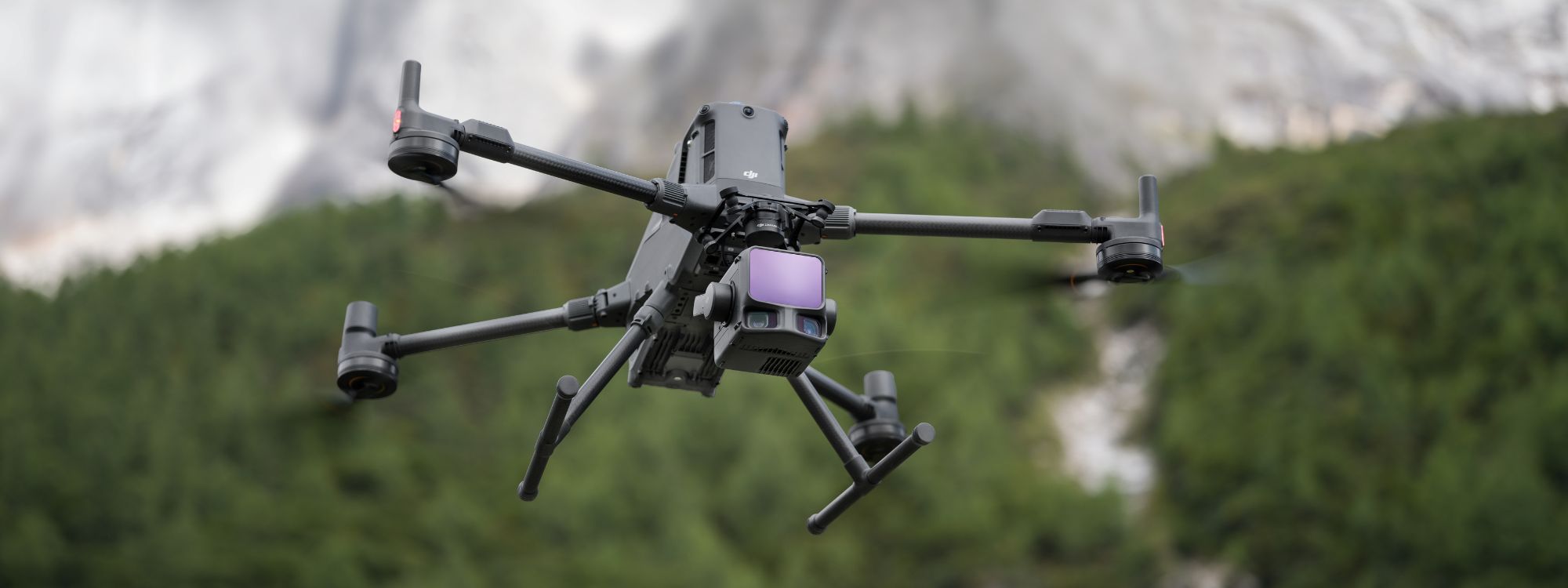
DJI launches Zenmuse L3 – what a powerhouse!
There is no doubt that the LiDAR market is hotter than ever, and DJI has not missed this fact but rather invested wholeheartedly in this incredibly exciting and powerful sensor technology. Five years after the launch of Zenmuse L1, the third generation of their LiDAR, Zenmuse L3, is now available—and it's a powerhouse!
In this article, we'll go through some of the most noteworthy details and upgrades.
1. Up to 2 million pulses per second
The pulse frequency of a LiDAR system is how many pulses per second the laser emits, and this is one of the most important specifications.
Both the L1 and L2 had laser scanners that fired up to 240,000 pulses/sec, while the L3 can fire up to an incredible 2,000,000 pulses/sec. This means incredibly detailed point clouds that can create even more realistic 3D point clouds.
It should be noted, however, that this is limited to flying at relatively low altitudes, and DJI recommends a maximum of 50m. This is due to something called Multiple-Time-Around (or MTA). We will cover this in another article. For most people, this will probably mean that you will set the scanner to 1,000,000 pulses/sec, which will allow you to fly up to 100m above the ground. This is still more than 4x better than previous generations.
2. Up to 16 returns per pulse
For each pulse emitted from the scanner, you can usually get multiple returns or echoes. With the Zenmuse L3, you can get up to 16 returns per pulse. This means that when the pulse travels through, for example, tree foliage and hits several times on its way down to the ground, you will build up a great deal of detail along the way.
But perhaps more importantly, it means that you still have enough signal strength to get a return even when the signal finally hits the ground, a tree trunk, or other solid object.
3. Lower beam divergence
The laser in L3 is completely newly developed and is now based on a 1532 nm wavelength, unlike the 905 nm wavelength used in L1 and L3. The laser used also has a significantly narrower beam and beam divergence. This has two major advantages.
The first advantage is that the narrower beam can find its way through small holes and gaps on its way down through vegetation or other structures and therefore reach the ground.
The second advantage is that it retains a higher energy per area when the beam hits an object. This means that you get a stronger signal and a greater probability of one or more returns.
4. Improved accuracy and precision
Accuracy and precision are perhaps two of the most important specifications in a LiDAR system. Historically, these have been significantly worse on entry-level LiDAR models than what could be achieved with photogrammetry, which is why relatively few have chosen to invest in LiDAR. With L3, however, we are beginning to reach a level that is good enough or better than what the majority of end users need.
Thanks to a better laser and IMU, the drone's positional accuracy can be transferred to the final point cloud at a completely different level than with L1 and L2.
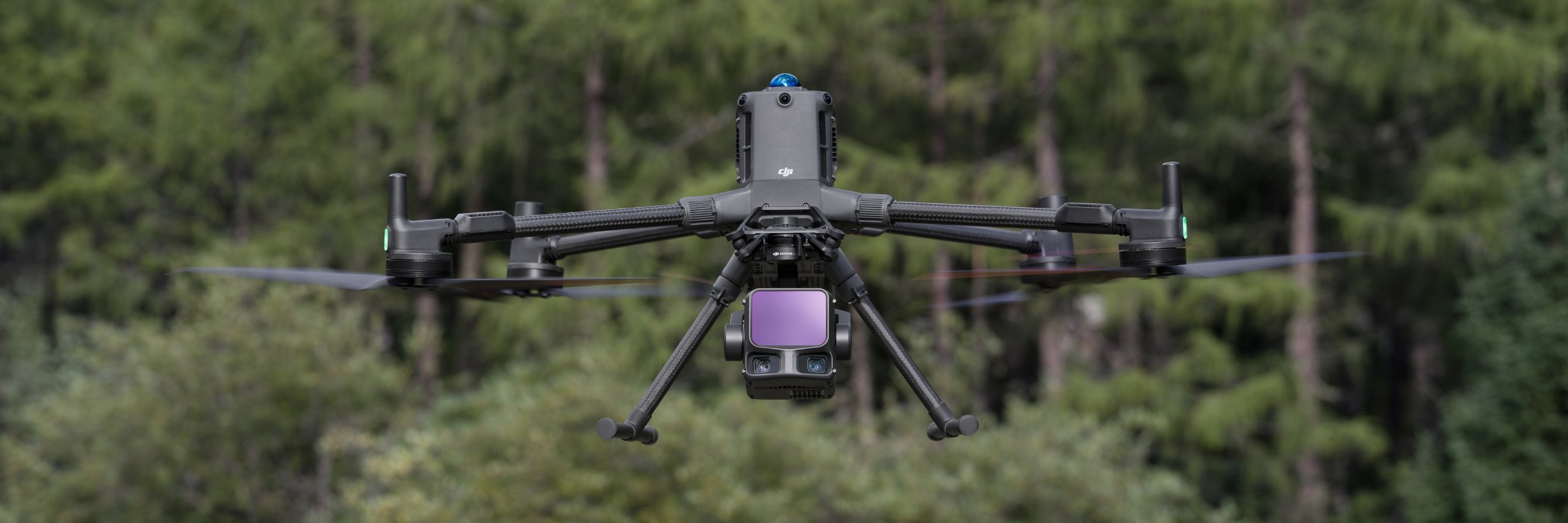
5. Dual 100MP cameras
Few could have expected L3 to get a 100MP camera, but we could hardly have dreamed that it would get two (!).
With these, we now have ample resolution but also side overlap to be able to generate orthophotos and even run Gaussian splatting without having to compromise on route planning efficiency.
Thanks to the large field of view of the dual cameras, all data can be collected in one sweep.
Order Zenmuse L3 now
Are you ready to start using LiDAR in your business, or are you already doing so and want to upgrade to Zenmuse L3?
Contact us and we will put together a great package with drones, sensors, accessories, and training if you need it.
Contact us
See our latest blog posts
Below you can read all about our store and stay up to date.
Emlid Corrections ger dig RTK-FIX snabbt och enkelt
Published: date by: authorKorrektionsdata är ofta den krångligaste delen av en RTK-mätning. Är det rätt IP-adress och port? Vilken anslutningspunkt (mount point) gäller h...
STS or SORA? A Guide to C5/C6 and MoC 2511/2512
Published: date by: authorIf you’re planning to fly more advanced missions in this specific category—over people, in urban areas, or beyond visual line of sight—you’ll ...
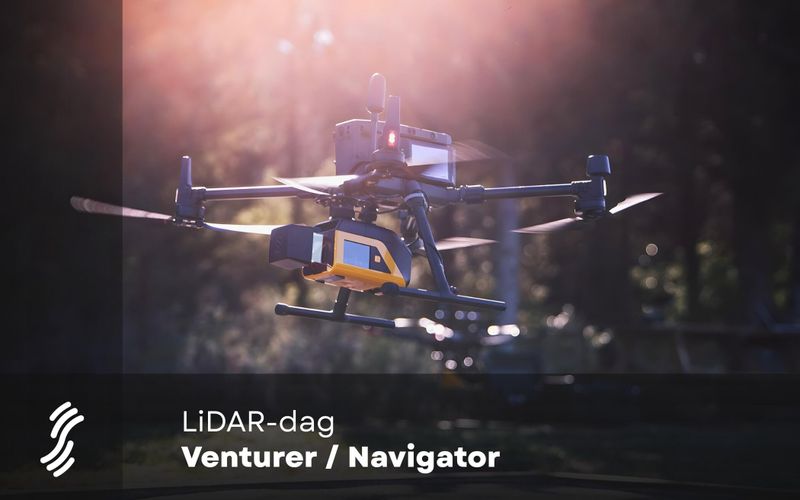
LiDAR Day: YellowScan Venturer & Navigator
Published: date by: authorVill du förstå hur drönarburen LiDAR fungerar i praktiken – och vad det kan innebära för ditt arbete inom kartläggning, infrastruktur, skog, m...
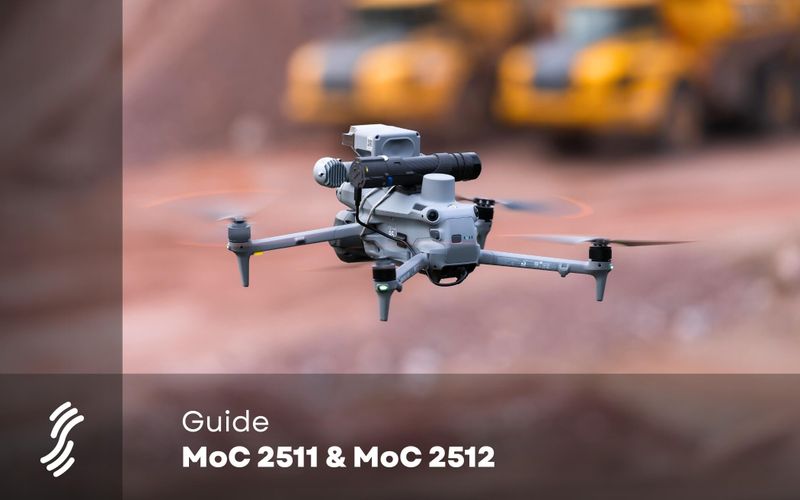
Vår guide till MoC 2511 & MoC 2512
Published: date by: authorVår guide till MoC 2511 & MoC 2512 När man börjar arbeta mer professionellt med drönare hamnar man snabbt i regelverket för den specifika kategor...
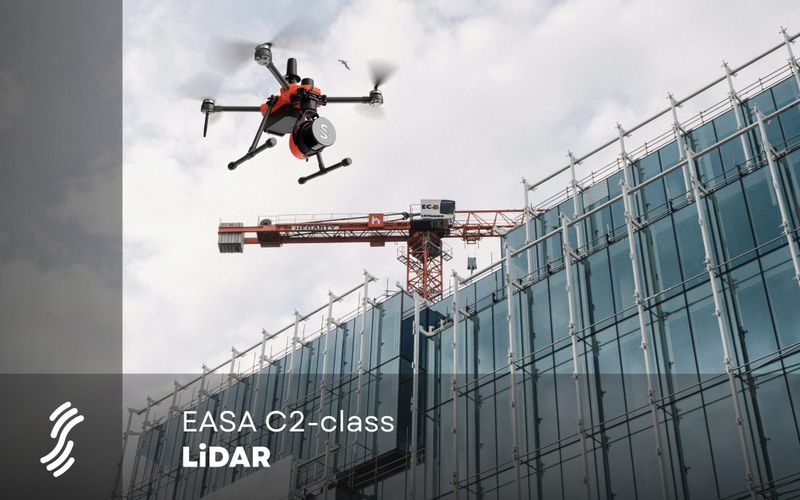
The world's first C2-class drone with LiDAR
Published: date by: authorDid you know that there is a drone that allows you to fly with LiDAR in open category A2? This is Argosdyne EasyMapper, the world's first C2-class dro...
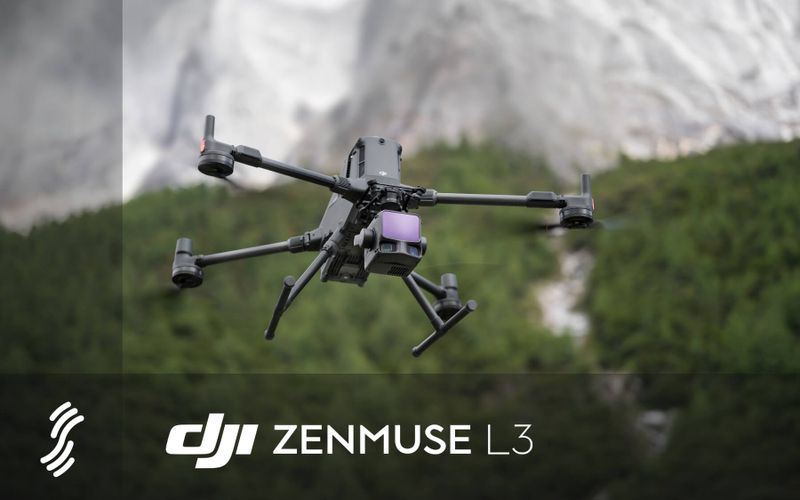
DJI Zenmuse L3 - what a powerhouse
Published: date by: authorThere is no doubt that the LiDAR market is hotter than ever, and DJI has not missed this fact, but rather has invested wholeheartedly in this incredib...